
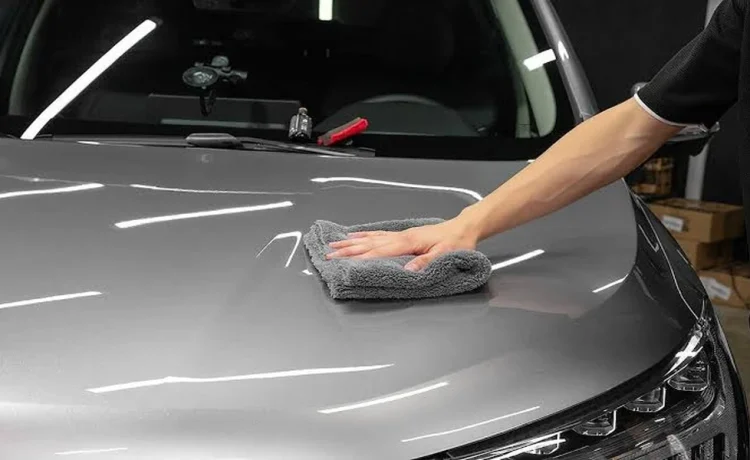
Every car owner eventually faces the same question in car care: wax, sealant, or something more permanent. For decades, wax was the default answer, reapplied every few months as a ritual many owners grew up with. That routine has shifted for a lot of drivers who have switched to more durable options that do not need constant reapplication. Understanding what actually separates these products helps explain why so many detailers are steering customers away from traditional wax.
What Is the Difference Between Wax, Sealant, and Coating?
Wax is a soft, natural or synthetic layer that sits on top of the clear coat and breaks down within weeks under sun, rain, and washing. Paint sealants are a step up, using polymer technology to last a few months rather than a few weeks. Both products sit on the surface rather than bonding to it, which is why they wear away so quickly. A coating works differently. It chemically bonds to the clear coat itself, forming a hard, glass like layer that becomes part of the paint’s surface rather than something you apply on top of it. That bond is the main reason coatings last years instead of months.
How Long Does Each Option Actually Last?
Traditional carnauba wax typically lasts four to six weeks before it needs reapplying, and that window shrinks further with frequent washing or exposure to harsh weather. Paint sealants stretch that out to three to six months. A properly applied ceramic car coating can last two to five years depending on the product and maintenance routine, with some professional grade options rated even longer. That difference in lifespan is the main reason the upfront cost of a coating makes sense for owners who plan to keep their vehicle for several years, since it replaces dozens of wax applications over that time.
Does Coating Actually Make Washing Easier?
One of the most noticeable everyday benefits is how a coated surface behaves during washing. The hydrophobic layer causes water, dirt, and grime to bead up and slide off rather than sticking to the paint, which means less scrubbing and a lower risk of introducing swirl marks from abrasive contact. Bugs, tree sap, and bird droppings also release more easily since they cannot bond directly to the coated clear coat the way they would to bare paint. Many owners report cutting their wash time nearly in half once a quality coating has fully cured.
How Should You Maintain a Coated Car Day to Day?
A coating reduces maintenance, but it does not eliminate it entirely, and a few simple habits help the layer perform at its best for its full lifespan. Stick to pH neutral car wash soap rather than dish detergent or harsh degreasers, since these can gradually strip the coating’s hydrophobic properties well before its rated lifespan ends. A gentle two bucket hand wash or a touchless automatic wash is generally safer than brush based automatic washes, which can introduce fine scratches on any painted surface, coated or not. Many owners add a spray sealant or booster every few months to refresh the water beading effect between full maintenance appointments, though this step is optional rather than necessary. Keeping the surface free of bird droppings, tree sap, and bug residue by rinsing them off promptly, rather than letting them sit for days, also helps the coating hold up for its full rated lifespan rather than degrading early.
Is Ceramic Coating Worth the Higher Upfront Cost?
Professional coating application costs significantly more than a bottle of wax, and that price difference is often the sticking point for owners on the fence. But the math changes when you account for years of avoided wax purchases, reduced paint correction needs from fewer swirl marks, and the resale value a well maintained, glossy paint job commands. For daily drivers that see regular exposure to sun and road grime, or for owners who simply do not enjoy spending weekends waxing, the time saved alone often justifies the cost within the first year or two of ownership.
What Should You Know Before Getting a Coating Applied?
Coating only bonds properly to paint that has been fully corrected first, meaning any existing swirl marks, light scratches, or oxidation should be polished out before application, since the coating will lock in whatever condition the paint is in underneath it. Skipping this step is the most common reason owners feel disappointed with the results. It is also worth asking your installer about the specific product’s hardness rating and expected lifespan, since coatings vary widely in quality despite often being marketed the same way.
Wax still has a place for owners who enjoy the weekend ritual of hand applying it themselves, but for anyone looking for protection that actually lasts, a bonded coating is simply a different category of product. The upfront investment reflects years of reduced maintenance rather than a few weeks of shine.