
A reliable vehicle requires more than fuel and an occasional wash. Every car contains mechanical, electrical and fluid-based systems that experience gradual wear whenever the vehicle is driven. Engine oil deteriorates, filters collect contaminants, brake components wear and fluids may require inspection or replacement.
Regular servicing is designed to identify these changes before they develop into more significant problems.
For motorists in Bondi Junction, choosing a trusted local workshop such as Bondi Motor Works can make it easier to stay on top of routine servicing and preventative maintenance.
Drivers around Bondi Junction and Sydney’s Eastern Suburbs regularly deal with short trips, congestion and stop-start traffic. Staying on top of scheduled maintenance can help ensure important vehicle systems are inspected regularly under these everyday driving conditions.
Why Regular Car Servicing Matters
Modern vehicles are engineered to operate reliably for many years, but they still depend on preventative maintenance.
A car may appear to be running normally even when components are beginning to wear. Some developing problems produce few noticeable symptoms until they become more serious.
Routine inspections give qualified mechanics an opportunity to examine important systems and identify potential concerns early.
Regular maintenance can help with:
- Engine performance
- Fuel efficiency
- Braking reliability
- Steering response
- Suspension condition
- Cooling system performance
- Battery reliability
- Tyre condition
- Overall road safety
Preventative servicing can also reduce the likelihood of unexpected breakdowns.
Understanding Manufacturer-Scheduled Servicing
Vehicle manufacturers develop servicing schedules specifically for their models.
These schedules are generally based on distance travelled, time, or a combination of both. The manufacturer’s handbook explains when particular components should be inspected, adjusted or replaced.
Importantly, not every scheduled visit involves exactly the same work.
An earlier service might primarily involve routine inspections, engine oil and filter replacement. A later major service could require additional attention to fluids, filters and other components according to the manufacturer’s schedule.
This structured approach allows maintenance to correspond with the vehicle’s age and kilometres travelled.
Following a manufacturer-scheduled log book service can help ensure that maintenance is carried out in accordance with the servicing requirements relevant to the vehicle.
What May Be Checked During Routine Maintenance?
The exact work performed depends on the vehicle, its condition and the scheduled maintenance requirements.
However, several important areas commonly receive attention.
Engine Oil and Filters
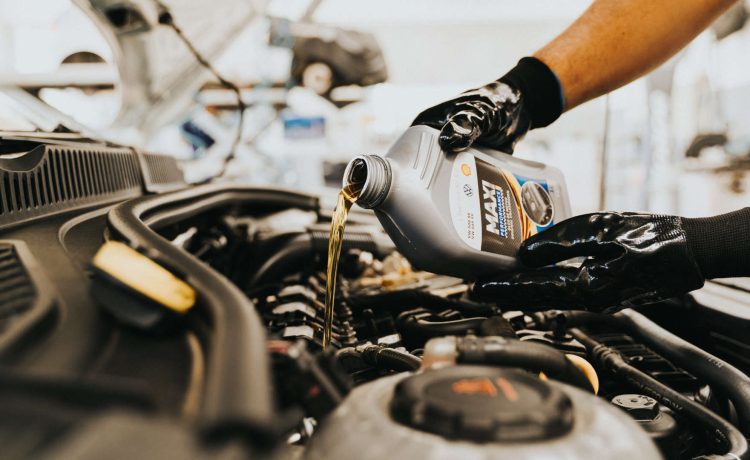
Engine oil lubricates moving components and helps control friction and heat. Over time, the oil becomes contaminated and its effectiveness can decline.
Replacing it at suitable intervals helps maintain proper lubrication.
Filters are also important because they prevent contaminants from circulating through different vehicle systems.
Braking System
Brakes are among the most important safety systems on any vehicle.
A service provides an opportunity to inspect brake pads, discs and other relevant components for wear or potential problems.
Unusual noises, vibration or changes in pedal feel should be investigated rather than left until the next scheduled visit.
Steering and Suspension
Suspension components help keep tyres in contact with the road while contributing to ride quality and vehicle stability.
Worn suspension or steering components may affect handling and tyre wear.
Drivers should pay attention to knocking sounds, unusual vibration or noticeable changes in steering behaviour.
Fluids
Vehicles rely on several different fluids for safe and efficient operation.
Depending on the model, these can include engine oil, coolant and brake fluid, along with other specialised lubricants or fluids.
Fluid condition and levels should be checked according to the manufacturer’s requirements.
Why Service Intervals Are Important
Delaying scheduled maintenance can seem like an easy way to save money, particularly when a vehicle appears to be operating normally.
However, service intervals exist because many maintenance requirements cannot be judged simply by how the car feels from the driver’s seat.
Oil degradation is a good example. A vehicle may continue driving normally even though its engine oil is approaching or exceeding its recommended replacement interval.
The same principle applies to filters, fluids and mechanical components.
Following the appropriate interval creates a preventative maintenance routine rather than waiting for something to fail.
Servicing Based on Time and Kilometres
Drivers sometimes assume servicing is required only after reaching a certain number of kilometres.
That is not always the case.
Vehicles that travel relatively short distances may still require maintenance based on time. Oil and other fluids can deteriorate even when annual mileage is low.
Short journeys can also create demanding operating conditions because the engine may repeatedly start and stop without remaining at normal operating temperature for extended periods.
For this reason, owners should follow the schedule specified for their particular vehicle rather than relying on a universal kilometre figure.
Maintaining a Clear Vehicle Service History
A documented maintenance history can provide useful information throughout a vehicle’s life.
It creates a record of when servicing was performed and which scheduled maintenance tasks were completed.
This information can help future mechanics understand the vehicle’s maintenance background. It may also be valuable when selling the car because prospective buyers can see evidence of regular servicing.
Keeping invoices and other maintenance records together with the vehicle documentation can make the history easier to follow.
Warning Signs Between Scheduled Services
A service schedule should not prevent drivers from responding to problems that appear between appointments.
Vehicles often provide warning signs when something requires attention.
These can include:
- Dashboard warning lights
- Unusual engine noises
- Grinding or squealing brakes
- Fluid underneath the vehicle
- Excessive exhaust smoke
- Difficulty starting
- Steering vibration
- Reduced performance
- Engine overheating
- Changes in braking behaviour
Ignoring these symptoms until the next scheduled service may allow a relatively small issue to develop further.
If a vehicle suddenly behaves differently, having it inspected promptly is usually the more sensible approach.
Why Professional Diagnostics Matter
Modern vehicles contain increasingly sophisticated electronic systems.
When a warning light appears, identifying the underlying problem may require diagnostic equipment capable of communicating with the vehicle’s electronic control systems.
A fault code can provide useful information, but diagnosis involves more than simply reading a code and replacing a component.
An experienced technician may need to inspect related mechanical or electrical systems to determine the actual cause.
This combination of diagnostic technology and practical mechanical knowledge has become an important part of modern vehicle maintenance.
Preparing Your Car for a Service
Owners can make the servicing process more efficient by providing useful information when booking.
Tell the mechanic about unusual sounds, warning lights or changes in vehicle behaviour. Mention when the symptoms occur, such as during braking, acceleration, turning or cold starts.
It is also useful to provide the vehicle’s service history where available.
Clear information gives technicians additional context and can help them investigate concerns more efficiently.
Preventative Maintenance Versus Reactive Repairs
There are two broad approaches to vehicle maintenance: addressing problems after they occur or attempting to identify them earlier.
Reactive repairs are sometimes unavoidable. Components can fail unexpectedly even in properly maintained vehicles.
However, scheduled preventative maintenance provides regular opportunities to identify wear, leaks and other developing concerns before they result in more disruptive problems.
For drivers who depend on their vehicles for commuting, family transport or business activities, avoiding preventable breakdowns can be particularly valuable.
Good Servicing Is About More Than the Engine
It is easy to think of car maintenance primarily as an engine oil change, but a vehicle operates as a collection of interconnected systems.
Brakes influence stopping performance. Suspension affects stability and comfort. The cooling system regulates engine temperature. Electrical systems control everything from starting to modern safety features.
Tyres are equally important because they are the vehicle’s direct connection with the road.
A thorough maintenance approach therefore considers the vehicle as a complete system rather than concentrating on a single component.
Conclusion
Regular servicing is one of the most practical ways to support vehicle reliability, safety and long-term performance. Manufacturer schedules provide a structured maintenance plan based on the requirements of each particular model, while routine inspections can identify developing problems before they become more significant.
Drivers should pay attention to both scheduled intervals and unexpected warning signs. Engine oil, brakes, steering, suspension, fluids, filters and electronic systems all contribute to how safely and efficiently a vehicle operates.
Maintaining clear service records and responding promptly to unusual behaviour can further support responsible vehicle ownership. Rather than viewing servicing simply as an expense, it can be considered preventative maintenance that helps protect the vehicle, reduce avoidable problems and keep it performing as intended throughout its working life.