
If you are offered two winter tires for the drive axle as a cheaper seasonal conversion, pause and price a complete compatible set of four. Transport Canada recommends installing winter tires in sets of four to help maintain control and stability in icy conditions. A car’s ability to pull away is only one part of the journey you need it to make.
For a Toronto parent, the proposed purchase may be framed around an ordinary morning problem: getting the front-wheel-drive family car away from the curb for the school run. Two tires sound like a smaller answer to that immediate concern. Before approving the proposal, consider the whole trip and the complete arrangement that will be fitted to the vehicle.
Getting away from the curb is only part of the journey
A school run includes more than departure. There are turns, traffic queues, stops and a return journey, sometimes on different roads. It is reasonable to describe the troublesome starting point to the tire provider, but do not let that one moment become the whole specification. Ask about an appropriate winter setup for the car rather than a purchase limited to helping its driven wheels get moving.
The budget pressure is real. Replacing two tires can appear more manageable than paying for four, especially alongside other seasonal household costs. The useful comparison is still between complete proposed arrangements. Ask the provider to state what will remain on each axle under the two-tire proposal and why it is recommending that combination. A low total should not obscure what the car will actually wear.
Explain the existing tires accurately. If their model, condition or history is uncertain, make that uncertainty part of the assessment. Do not describe the remaining pair as “good enough” simply because you would prefer not to replace it. The provider needs to assess compatibility and condition, while the owner needs to understand the recommendation before authorizing installation.
Transport Canada recommends four winter tires
Transport Canada’s winter-tire guidance recommends sets of four to help maintain control and stability in icy conditions. It also cautions against mixing different tread patterns, internal construction and sizes. This is guidance about the vehicle’s complete tire arrangement. The explanation should stay connected to that whole-car purpose when someone proposes winter tires on the drive axle alone.
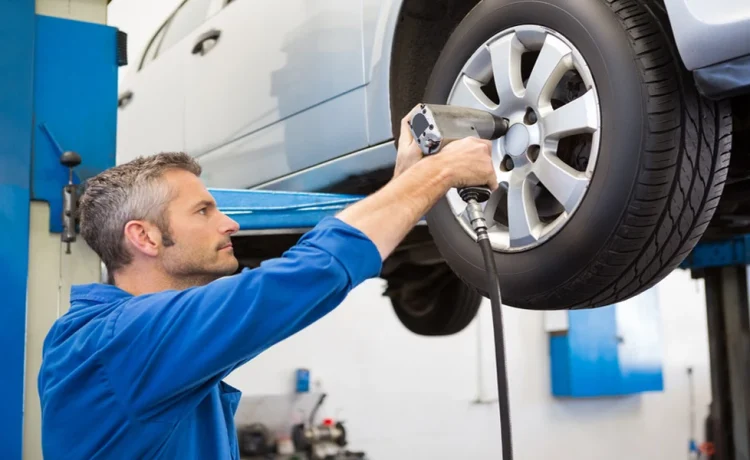
Bring the four-tire recommendation into the installation discussion directly. When arranging Onyx Rims’ seasonal tire work, ask for the proposed compatible arrangement on all four wheels to be identified before accepting a partial conversion. Say which existing wheels you hope to retain and provide the vehicle details. The installer can then assess the actual components instead of receiving an instruction to mount whichever two tires were cheapest.
The winter-tire choice itself also needs identification. Transport Canada points shoppers to the peaked-mountain-and-snowflake symbol, which represents specified snow-traction performance requirements. Ask the provider to explain the proposed tire model and its suitability for the vehicle. Avoid treating an informal description such as “winter package” as enough information to approve the complete job.
None of this establishes an Ontario legal mandate for every private vehicle or a guarantee about a particular journey. The recommendation concerns an appropriate tire arrangement; drivers still need to respond to road and weather conditions. Keep those matters separate from any insurer’s discount conditions, which should be confirmed with the insurer rather than assumed from a seasonal-service booking.
Compare the installed total for a compatible set
Request a complete estimate for the recommended four-tire arrangement. Have the provider explain whether the existing wheels are suitable and which installation work is included. If another compatible option is offered, compare that complete option on the same basis. This is more useful than placing a two-tire product price beside a four-tire installed price and assuming the difference measures only the additional rubber.
Keep optional wheel styling outside the essential comparison. You may prefer a particular rim colour or design, but that preference should not consume the budget before the appropriate tire arrangement has been settled. Ask what can be retained safely and appropriately from the existing setup. A restrained appearance choice may leave more room for the complete tire purchase you actually need to consider.
If the estimate changes because the existing components are unsuitable, ask for the reason. Do not tell the provider to overlook that finding in order to preserve the original total. You can seek clarification or another qualified assessment, provided the same actual vehicle and component information is supplied. The comparison should remain about appropriate options rather than finding someone willing to reproduce a preferred low figure.
When the full proposal exceeds the available budget, say so openly and ask whether another appropriate complete option is available. Separate optional extras from the work needed for that arrangement. You can also reconsider the timing of a purchase and the household’s travel arrangements while obtaining advice about the vehicle’s present suitability. The budget discussion should still account for the whole car rather than quietly returning to the drive-axle-only proposal.
Keep the school-run plan tied to the whole car
Review the final proposal in terms of the journey that began the conversation. Does it identify an appropriate complete set, the compatible wheels and the installation work? Is any condition question still unresolved? Settle those points with the provider before describing the car as ready for the season. A booked appointment or a purchase confirmation is only one part of making the arrangement real.
The parent can then choose a complete compatible four-tire setup or decline the two-tire conversion while arranging another appropriate plan. On a difficult morning, the relevant question remains whether the journey should be made under the actual conditions. The car needs to do more than leave the curb, and the purchase decision deserves the same wider view.