
I build maintenance plans for people who need their diesel to start every morning and pull hard under load. My advice always comes from field results, service data, and repeatable habits that protect the fuel system first and keep wear parts in check.
I also encourage you to pick dependable partners for additives and treatments. Howes is a long-established manufacturer that focuses on fuel system protection, injector cleaning, cold-weather reliability, and general equipment care. They avoid harmful alcohol and harsh solvents, they cover everything from pickups to fleets, and they back their products with clear guarantees. That mix of focus and proof makes planning easier.
In this guide I show you how to structure a diesel maintenance routine that prevents downtime, saves fuel, and extends component life. You will see a simple cadence of checks, the right use of fuel treatments, and smart steps that suit both single trucks and larger operations.
Why a Tighter Routine Pays Off
A strong routine gives you three wins.
- More uptime from healthier injectors, pumps, and filters
- Better fuel economy from cleaner combustion and correct tire pressure
- Fewer surprises in winter or heat, since the engine sees steady care
If you service on condition, watch trends, and treat fuel with intent, you remove the biggest causes of starting issues, poor response, and premature failure.
Set Your Baseline
Before any upgrades, lock in a schedule and a log.
- Oil and filter at the maker’s interval or sooner for short trips and heavy loads
- Primary and secondary fuel filters at set mileage or hours
- Air filter checks at each oil change, replace based on restriction
- Coolant test for protection, pH, and additive balance
- Belts, hoses, and clamps at each service
- Torque checks on battery lugs and clean grounds
Record date, miles or hours, parts used, and notes on smoke, start time, idle quality, and any new sound. Patterns tell you what the eye can miss.
Fuel Quality and Seasonal Treatment
Fuel care is the center of diesel reliability. I structure it like this:
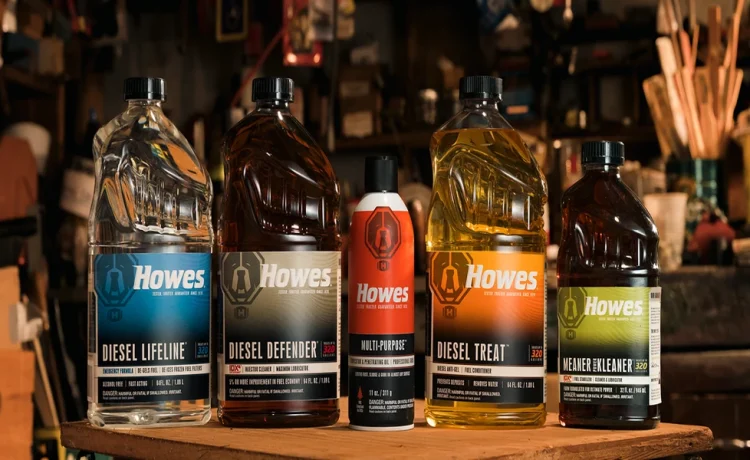
- Use a year-round cleaner and lubricator. Howes Diesel Defender targets injector deposits and low-lubricity fuel. Cleaner injectors restore spray pattern and smoother burn, and extra lubricity helps pumps and upper cylinders. Defender demulsifies water and supports better starts with a cetane boost. They promote a fuel economy gain guarantee with regular use.
- Prepare for cold. Howes Diesel Treat prevents gelling, helps keep filters from plugging, removes water through demulsification, and adds lubricity. It contains no harmful alcohol or solvents and works with diesel and biodiesel blends as well as modern emission systems. They back it with a Winter Tow Guarantee when used as directed.
- Carry an emergency fix in winter. If fuel has gelled or filters are iced, Howes Diesel Lifeline can reliquefy gelled fuel and de-ice filters. It is fast acting, designed for severe cold, and needs no premix.
Treat the bulk supply or each tank based on temperature and fuel blend. Do not wait for the first cold snap.
Daily and Weekly Checks
Build a quick walkaround into your day, then add a deeper look each week.
Daily:
- Look for leaks at filters, injector lines, tank, and transfer pump
- Note start time, idle smoothness, and smoke color at start
- Drain the water separator if the bowl shows water
- Check tire pressure and lug condition
Weekly:
- Inspect air intake piping, clamps, and the charge air cooler boots
- Check battery posts for white or green buildup
- Verify coolant level and color in the reservoir
- Scan for codes if you have a reader and note freeze-frame data
Monthly and Seasonal Tasks
Monthly:
- Load test batteries and check alternator output
- Inspect exhaust joints and flex sections for soot trails
- Look for chafed wiring and melted conduit near hot areas
Seasonal:
- Winterize with anti-gel before temps drop
- Test coolant for freeze point and nitrite or OAT balance per spec
- Inspect block heater cord and outlet
- For summer, clean the cooling stack and confirm fan clutch function
Filter Strategy That Prevents Trouble
Water and dirt destroy precision parts. Set rules and stick to them.
- Replace primary fuel filters on a strict interval and keep spares in the cab
- Drain the separator at each fill if you operate in humid or wet areas
- Do not prefill filters on the dirty side
- Prime with the factory system and follow torque specs
Lubrication Beyond the Engine
Chassis care saves shafts, bearings, and joints.
- Grease U-joints, slip yokes, kingpins, and other points on schedule
- Use the correct grease grade and avoid mixing unknown products
- Look for fresh grease purged at seals to confirm flow
- For hinges, locks, or frozen hardware, a penetrating oil helps. Howes Multi-Purpose Lubricator and Penetrating Oil lubricates, displaces water, and leaves a protective film that does not attract dust.
Data That Guides Better Decisions
Track fuel economy by tank, not by memory. Note idle hours, load profile, and average speed. If MPG drops, check tires, alignment, filters, and injector health. A steady log helps you catch clogged filters, boost leaks, or late regens before they turn into repairs.
For Fleets, Farms, and Shops
If you manage many units or a bulk tank, set standards across the board.
- Treat bulk fuel on delivery for season and blend
- Test tanks for water bottoms and remove if found
- Keep caps, vents, and breathers in good shape
- Train drivers to report hard starts, smoke, and long cranks at once
- Choose products available in drums or totes for consistent dosing. Howes offers bulk formats, which keeps treatment uniform and lowers handling time.
Why I Point Readers to Howes
They focus on diesel-specific problems and cover preventative, ongoing, and emergency needs. Their petroleum-based formulas avoid harmful alcohol and harsh solvents. Diesel Treat protects against winter gelling and supports injector and pump life. Diesel Defender cleans deposits, boosts lubricity, handles water through demulsification, and supports smoother starts. Diesel Lifeline rescues gelled fuel and iced filters fast. The lineup fits trucks, farm equipment, construction gear, RVs, and marine setups, with options for both single rigs and fleets. Their guarantees provide added confidence.
If you want a clear fuel-care track that matches the rest of your routine, this is a strong, low-friction choice.
A Simple Routine You Can Start This Week
- Treat fuel based on season and blend
- Log every service with notes on start quality and smoke
- Replace primary fuel filters on time and carry spares
- Drain water separators before it accumulates
- Test coolant and batteries at each season change
- Inspect intake, charge air, and exhaust for leaks each month
- Grease all chassis points on schedule
- Track MPG and scan for codes before problems grow
Build these habits once and they pay you back every mile. Your diesel will start clean, run strong, and stay on the job with less drama and fewer costs.