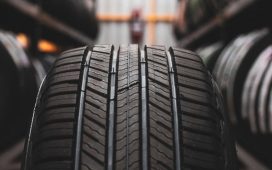

The dashboard light glows yellow suddenly. This tiny horseshoe icon causes immediate stress. You check the tires right away. Often the pressure looks perfectly fine. These false alarms happen to many drivers. The tire pressure monitoring system is sensitive. It tracks the air inside your tires. Sometimes the system makes a mistake. You must understand why this happens. Knowledge helps you stay calm on roads. Reliable sensors keep everyone very safe. But technology can sometimes fail without warning. Now you should learn about these triggers.
The Impact of Temperature Changes
Cold air makes tire pressure drop fast. The air molecules move much slower now. This causes the internal pressure to decrease. Your sensor detects this change very quickly. The light stays on during chilly mornings. But the tires warm up after driving. The air expands inside the rubber casing. Then the warning light usually turns off. You might see this during winter months. Sudden cold snaps trigger many false alerts. The Auto Repair in Warsaw, IN suggests checking gauges. Consistent readings prevent unnecessary panic for drivers. You should monitor the weather changes closely.
Dealing with Battery and Sensor Failure
The sensors live inside the hot tires. These small parts rely on tiny batteries. Batteries eventually lose their power over time. A weak battery sends very weak signals. The car computer gets confused by this. It triggers a light despite good pressure. Sometimes the sensor itself breaks completely. Road salt corrodes the metal parts slowly. You will need a professional for help. A Skiles Automotive Services can replace sensors. New parts will stop the annoying blinking. Proper maintenance keeps the system working well. Most sensors last about seven years total.
Issues with Improper Calibration Procedures
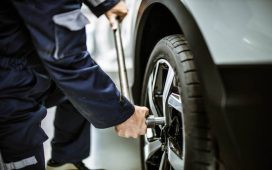
You recently added air to your tires. But the bright light remains on anyway. The system requires a manual reset sometimes. Every vehicle has a different reset process. You should consult the owner manual first. Some cars need a specific driving speed. The computer learns the new pressure levels. Failing to reset causes a false alarm. This happens often after a tire rotation. The Skiles Automotive Services performs these resets. Technicians ensure the system recognizes the tires. Correct calibration stops the light from glowing. You will feel better after the reset.
Environmental Factors and Signal Interference
Electronic devices can disrupt the sensor signal. Strong radio waves interfere with the car. This happens near large power lines often. The computer loses touch with the wheels. You see a light for no reason. But the signal returns after you drive. Sometimes metal objects block the wireless path. Large trailers or heavy loads cause issues. The system expects a very clear signal. Now you know why location matters much. These glitches disappear once you change positions. The vehicle hardware stays healthy during these events. You must stay patient during brief interruptions.