
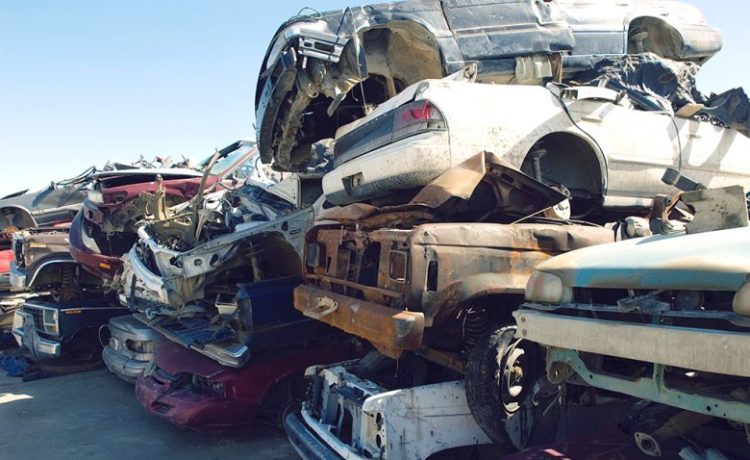
Understanding the intricacies of car scrap in Singapore requires navigating a carefully orchestrated system where regulatory precision meets economic pragmatism, creating a framework that transforms the end of a vehicle’s operational life into a structured, financially beneficial process. This island nation’s approach to automotive disposal reflects its broader philosophy of urban management: efficiency remains paramount in a landscape where every square metre carries extraordinary value.
The Regulatory Foundation
The mechanics of car scrap in Singapore begin with comprehending the Certificate of Entitlement system, a uniquely Singaporean invention that fundamentally reshapes the relationship between owner and automobile. Unlike nations where vehicles persist until mechanical death claims them, Singapore imposes predetermined lifespans that create natural inflection points for disposal decisions. The 10-year mark emerges as the critical threshold, a temporal boundary where financial incentives align to encourage vehicle retirement.
The Land Transport Authority governs this ecosystem through regulations designed to ensure systematic vehicle lifecycle management. Every car registered in Singapore carries an embedded expiration date, after which owners face a binary choice: pay substantial renewal fees or proceed with deregistration.
Step One: Assessing Your Financial Position
Before initiating the scrapping process, understanding your potential returns provides essential context for decision-making. Two primary rebate mechanisms determine the financial outcome: the Preferential Additional Registration Fee rebate and the Certificate of Entitlement rebate, each calculated through distinct methodologies.
PARF rebates follow a declining curve calibrated to vehicle age at deregistration. Vehicles scrapped within their first five years recover 75 percent of the original Additional Registration Fee paid, diminishing to 50 percent for cars between six and ten years old. Beyond the tenth anniversary, PARF eligibility disappears entirely.
COE rebates operate differently, calculating proportional value based on remaining validity. A vehicle scrapped with three years remaining on its COE recovers three-tenths of the original premium paid.
Financial considerations include:
- Original ARF and COE amounts paid
- Current vehicle age and remaining COE validity
- Market value of scrap metal commodities
- Vehicle weight and material composition
- Outstanding loan obligations
Step Two: Selecting an Authorised Scrapyard
The journey to car scrap in Singapore mandates engagement with LTA-authorised dealers, as only licensed facilities possess legal authority to process vehicle deregistration. This authorisation requirement protects consumers from operators unable to complete proper administrative procedures.
Authorised scrapyards function as intermediaries between vehicle owners and governmental machinery, shouldering administrative burdens that might otherwise require multiple agency visits. They verify documentation, submit deregistration paperwork, arrange vehicle collection, and process rebate calculations.
Verification of authorisation status deserves careful attention. The LTA maintains current lists of approved dealers, accessible through their official channels. Unauthorised operators occasionally appear offering attractive terms but lacking capacity to complete lawful deregistration.
Step Three: Gathering Required Documentation
Documentation requirements reflect the system’s emphasis on comprehensive closure. The vehicle registration card serves as primary ownership proof, whilst the Vehicle Parking Certificate confirms absence of outstanding parking violations.
Additional documentation includes:
- Valid identification (NRIC or passport)
- Loan clearance letter if financing exists
- Radio and in-vehicle unit removal confirmation
- Current road tax payment proof
For vehicles with existing loans, financial institutions must provide clearance documentation confirming debt satisfaction. This requirement prevents premature disposal of vehicles still serving as loan collateral.
Step Four: Obtaining Quotations and Scheduling Collection
Comparison shopping among authorised scrapyards can yield meaningful financial differences. Whilst statutory rebates remain constant regardless of dealer selection, scrap metal valuations fluctuate based on global commodity markets and individual assessment methodologies.
Quotations incorporate multiple components: estimated PARF rebate, projected COE rebate, and scrap value based on vehicle specifications. Obtaining multiple quotes empowers informed decision-making, potentially adding hundreds of dollars to final returns.
Upon accepting a quotation, scheduling vehicle collection follows naturally. Most scrapyards arrange towing within three to five working days. The vehicle need not be operational; scrapyards routinely collect non-functional cars through towing services included in their quotations.
Step Five: Completing Deregistration and Receiving Payment
Following vehicle collection, the authorised dealer submits deregistration documentation to the LTA. Processing typically requires three to five business days, after which official deregistration confirmation arrives. This confirmation triggers rebate calculations and fund disbursement, with payments generally reaching owners within two weeks.
Payment methods vary among dealers, with bank transfers being most common for larger amounts. Road tax rebates process separately through the LTA, calculated proportionally based on unused road tax periods.
The Environmental Dimension
The ecological implications of car scrap in Singapore extend beyond simple waste management. Authorised facilities operate under National Environment Agency oversight, ensuring hazardous materials receive proper handling. Engine fluids, batteries, and refrigerants demand specialised treatment protocols that prevent environmental contamination whilst enabling material recovery.
Conclusion
The systematic approach Singapore employs transforms vehicle disposal from potential burden into straightforward transaction. Understanding each step, from initial financial assessment through final payment receipt, empowers vehicle owners to navigate the process confidently. The decision to pursue car scrap in Singapore becomes manageable when approached with comprehensive knowledge of regulatory requirements, documentation needs, and strategic considerations that optimise both financial returns and administrative efficiency.