
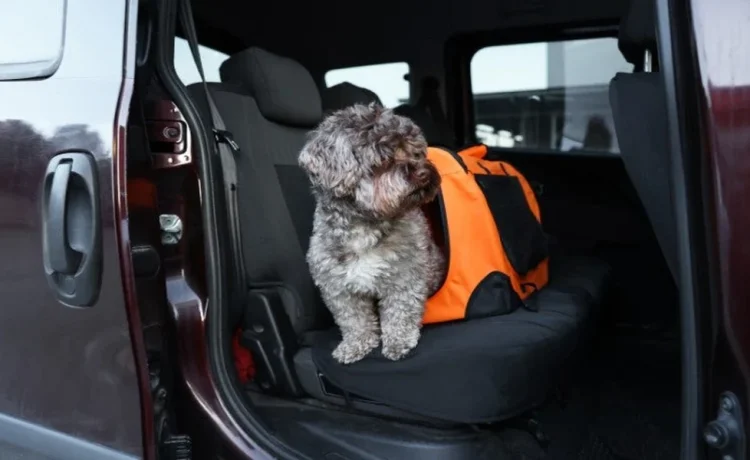
Anyone who has ever loaded a golden retriever into the backseat for a weekend trip knows the aftermath: a fine layer of fur woven into the carpet, tufts caught in the seat seams, and a few stray hairs that seem to reappear no matter how many times you vacuum. Pet hair in a car isn’t just a cosmetic nuisance. It behaves differently than household dust, clings to certain fabrics with surprising tenacity, and can affect the air quality inside a relatively small, enclosed cabin. Understanding why that happens – and which techniques actually work on which surfaces – makes the difference between a five-minute cleanup and an hour of frustrated scrubbing.
Why Pet Hair Is So Stubborn in a Vehicle
Car interiors create close to ideal conditions for hair to embed itself. Upholstery fibers, carpet loops, and even vinyl trim generate static electricity from friction – the same effect that makes a wool sweater crackle in dry winter air. As a dog or cat shifts around on the seat, its coat sheds hair that immediately picks up a static charge and wraps around nearby fibers instead of simply resting on top of them. Woven fabric seats are particularly prone to this because the hair works its way between the weave, while low-pile carpet mats trap shorter undercoat hairs at the base of the loops where a standard vacuum nozzle can’t always reach.
Temperature swings make it worse. A car that sits in direct sun for several hours heats up considerably, and that heat can make fabric slightly more porous, allowing hair to settle deeper into the material. Then the cabin cools overnight, and everything contracts around the trapped fibers. It’s a small thing, but it explains why hair removed in the morning often seems less stubborn than hair that has baked in a hot car all afternoon.
The Air Quality Angle Most People Overlook
There’s also a health dimension worth taking seriously. Pet hair itself usually isn’t the allergen – it’s the dander, saliva residue, and skin flakes that travel with it. The U.S. Environmental Protection Agency classifies pet dander among the common biological pollutants that affect indoor air quality, and a car cabin, being far smaller and less ventilated than a room in a house, can concentrate those particles more quickly. The Asthma and Allergy Foundation of America notes that regular vacuuming and reducing pet dander buildup are among the most effective ways to control indoor allergens, and that guidance applies just as directly to a vehicle’s interior as it does to a living room carpet. For households with allergy-sensitive passengers, a thorough hair removal routine is less about appearances and more about basic cabin air hygiene.
Start With the Right Tools
Before diving into technique, it helps to have a small kit on hand. Most of these items are inexpensive and reusable:
- A rubber grooming glove or squeegee
- A slightly damp microfiber cloth or chamois
- Masking tape or a lint roller for tight spots
- A handheld or shop vacuum with a brush attachment and crevice tool
- A soft-bristle detailing brush for seams and stitching
Rubber-based tools tend to outperform standard vacuum attachments on fabric seats because rubber generates friction against the fibers, lifting embedded hair to the surface rather than just skimming across the top. Many professional detailers reach for a rubber squeegee or grooming mitt before they even turn on a vacuum, precisely because it loosens hair that’s been driven deep into the weave.
Working Surface by Surface
Fabric upholstery and carpeted mats. Run a rubber glove or squeegee across the seat in one direction, using moderate pressure. You’ll usually see hair start to ball up into small clumps or lines almost immediately. Vacuum those areas afterward with a brush attachment to catch what’s been lifted but not fully removed. For carpeted floor mats, take them out of the car entirely – hair release techniques work far better on a flat surface than crouched inside a footwell.
Leather and vinyl seats. These surfaces don’t hold hair the way fabric does, since there’s no weave for it to grip. A slightly damp microfiber cloth wiped in broad strokes usually collects loose hair effectively, especially if the leather has a light coat of conditioner that adds a bit of tack to the cloth. Avoid harsh scrubbing on leather, since abrasive tools can dull the finish over time.
Seams, crevices, and console gaps. This is where a soft detailing brush earns its keep. Gently work the bristles along stitching lines and around cupholders, then follow with the crevice attachment on a vacuum. A can of compressed air can help dislodge hair from vent slats and tight trim gaps that brushes can’t reach.
Headliners and door panels. These areas collect less hair overall, but a lint roller is often the fastest, least invasive option since it avoids pressing hair further into textured fabric.
A Simple Routine That Actually Sticks
- Remove floor mats and shake or beat them outside the vehicle.
- Use a rubber glove or squeegee on all fabric seats, working in one consistent direction.
- Vacuum the loosened hair with a brush attachment, moving slowly rather than quickly passing over each area.
- Wipe leather or vinyl surfaces with a damp microfiber cloth.
- Brush and vacuum seams, console gaps, and vents.
- Finish with a lint roller on remaining hotspots.
Doing this every one to two weeks, rather than waiting until hair has visibly accumulated, keeps the job manageable and prevents fibers from working themselves in deeper over repeated heating and cooling cycles.
Prevention Reduces the Workload
A washable seat cover or hammock-style barrier in the back seat cuts down dramatically on how much hair reaches the upholstery in the first place. Brushing a pet outside before car rides – particularly during seasonal shedding – also makes a noticeable difference, since a large share of loose hair is already close to falling out anyway. Keeping a small handheld vacuum or lint roller in the glovebox means cleanup can happen right after a trip rather than after hair has had days to settle and bind to the fibers.
When It’s Time to Bring in a Professional
Some situations go beyond a weekend cleaning routine – years of accumulated hair in tightly woven carpet, hair embedded deep in seat foam after a long road trip, or allergy concerns that call for a more thorough extraction than a home vacuum can provide. In those cases, a professional detailing service can use extraction equipment and specialized brushes that reach fibers a standard vacuum simply can’t access. Companies like Diamond State Mobile Detailing work on vehicles that see this kind of buildup regularly, and their interior detailing service is built around exactly this kind of deep fiber and upholstery cleaning rather than a surface-level wipe-down.
Ultimately, pet hair removal comes down to matching the right tool to the right surface and doing it consistently rather than waiting for the problem to become visible. It’s a small maintenance habit, but for anyone who regularly drives with a four-legged passenger, it pays off in a cleaner cabin, better air quality, and a car interior that actually looks – and smells – cared for.